The Tab-alanche: Why Your Brain Can't Handle 100+ Browser Tabs (And How to Escape)
Welcome to the 'Tab-alanche': You Are Not Alone

If you’ve ever looked at your computer screen to find dozens (or dare I say, hundreds) of browser tabs staring back at you, you understand the overwhelming sensation of a 'tab-alanche'. You're not just disorganized—you're caught in the modern phenomenon of keeping too many browser tabs open, each whispering, "I might be useful later!"
This is not a moral failing, nor a sign of digital decadence, but rather a reflection of how web browsers are designed—with frictionless tab opening. It’s easy to fall into the trap, thinking each tab holds the key to some future necessity. This collective experience has morphed into what many might call digital hoarding, shifting the focus from physical clutter to digital detritus.
Yet, recognizing this habit as a design problem rather than a personal deficiency can empower us to tackle it more effectively. Let's move beyond shame and onto solutions.
The Psychology of a Digital Hoarder: Why We Can’t Let Go
At its core, the reluctance to close a browser tab is wrapped up in our brain's response to unfinished tasks, a phenomenon known as the Zeigarnik Effect. These tabs act as constant reminders of projects or intentions not yet completed, making us believe that as long as the tab is open, we’re somehow still working on it.
Then there’s the fear of missing out—or informational FOMO. Each tab represents potential knowledge and the anxiety that maybe, just maybe, you'll never find that page again fuels the inability to hit 'close.' It's like an open book that you never really stop reading, consuming your attention even when it's minimized.
Moreover, consider each open tab as a reflection of the person you aspire to be—the marathon runner, the sourdough baker, the side-hustle CEO. These aren't just tabs; they're aspirations and identities, making the act of closing them feel like giving up on potential selves.
The Hidden Cognitive Cost of Tab Clutter
Here’s where it gets a bit scientific. The visual noise created by numerous tab favicons can effectively drain one's energy, inducing decision fatigue and diminishing willpower. Each little square or icon demands a sliver of your attention, pulling your mental resources in too many directions.
The toll extends beyond mental fatigue. It’s not only your computer that slows down with every additional tab—it's your cognitive capacity too. Multiple studies suggest a cluttered browser can considerably worsen our ability to process information and stay focused, echoing signs of browser clutter anxiety.
Additionally, constant shifting among tabs without clear purpose contributes to a heightened state of stress and anxiety, unnoticeably elevating your stress levels and affecting overall well-being.
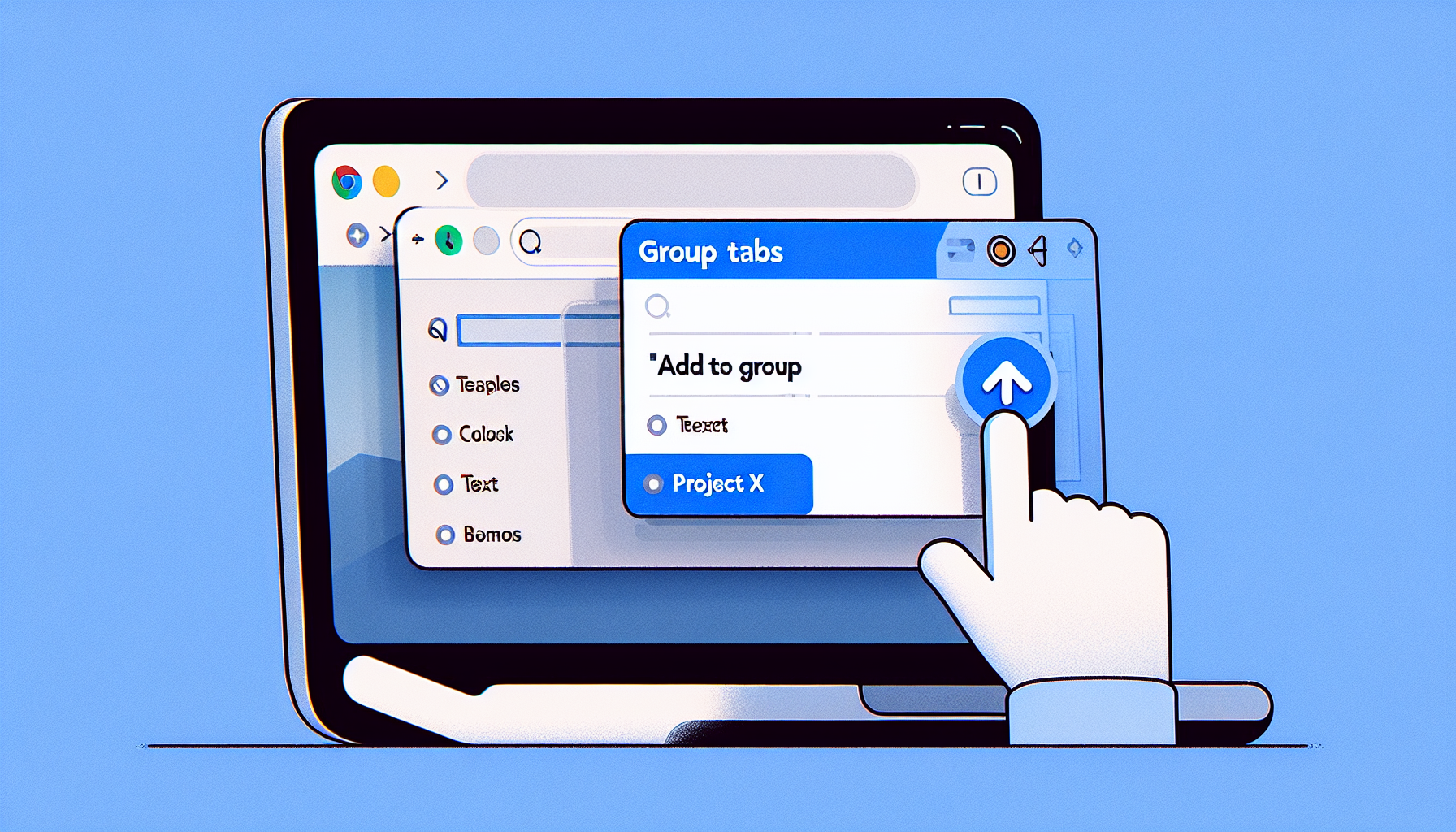
This GIF demonstrates organizing tabs into a group in Chrome, clearing visual clutter instantly.
Your Tab Taming Toolkit: Strategies That Actually Work
Let’s transform knowledge into action. Start with the 'Daily Close-Out,' a simple routine where you spend the last five minutes of your day tidying up your digital workspace. Close unnecessary tabs and review what’s left. This habit curtails the clutter from rolling over to the next day, ensuring you start fresh.
Tab Groups in modern browsers are a gift to your cognitive workflow—use them. They allow you to cluster related tabs together and minimize them all at once, drastically cutting down visual distraction and making your browser reflective of structured, clear thought processes.
Consider using apps like Pocket or Instapaper as a digital pantry for your curiosity. Instead of leaving tabs open indefinitely, save articles or pages in these apps. They're designed for a read-it-later experience, helping you break the cycle of digital hoarding.
Embrace the 'One-Window' rule. Keep different projects in separate windows or even different browser profiles. This physical and mental separation helps you to focus and clearly define what digital space aligns with what part of your life, whether work or personal exploration.
From Hoarder to Curator: Shifting Your Mindset
View your browser not just as a storage unit, but as a temporary workspace that needs regular cleaning. Just as you wouldn't let papers pile up on your desk indefinitely, don't let tabs pile up in your browser.
There’s a surprising joy and mental clarity that comes with a clean browser. It allows you to focus better and reduces the mental load that comes with constant, looming 'tab debt.'
As a final challenge, try declaring a 'Tab Bankruptcy' day once a month, where you close all tabs without judgment. It's liberating and offers a practical reset to your digital clutter habit, effectively transforming you from a hoarder to a curator of your digital space.
Key Takeaways
- Understanding the psychological roots of keeping too many tabs open can help change your habits.
- Clean browser environments promote better focus and reduce unnecessary stress and anxiety.
- Effective strategies like the 'Daily Close-Out' and 'Tab Bankruptcy Day' can drastically improve your digital well-being.
Limitations: While the strategies mentioned are useful, it's important to recognize that individual experiences with digital clutter vary. What works for one might not work for another as effectively, based on different workflows and personal preferences.
FAQ
But doesn't having many tabs open make me a better multitasker?
Research shows that heavy media multitaskers are often worse at filtering irrelevant information and not better multitaskers. The goal isn't to do more things at once, but to switch between intentional tasks more smoothly. Too many tabs encourage passive, reactive browsing instead of active, focused work.


