The Price of a Moment: How Real-Time Data is Redefining Risk and Reward
What is Behavioral Underwriting?

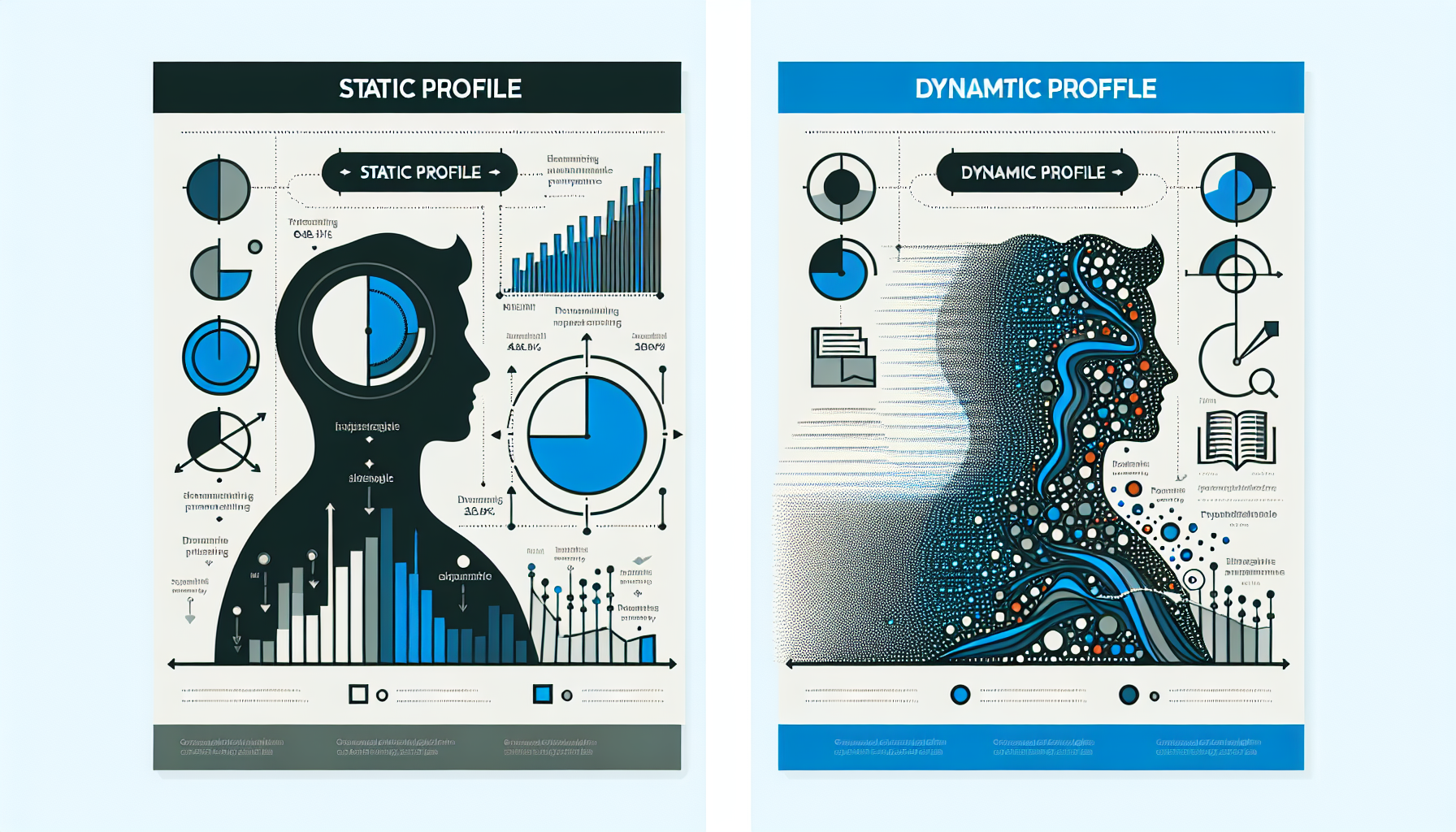
In the ever-evolving landscape of insurance, a significant shift is occurring, moving from relying on static data points such as age or location to more dynamic ones like driving habits and health metrics. This pivot towards what is now known as 'behavioral underwriting' promises a more nuanced approach to risk assessment, where premiums are tailored not just to the demographic group you belong to, but to your individual behaviors.
At the heart of this shift are technologies like telematics in vehicles and data derived from fitness wearables, along with other Internet of Things (IoT) devices. These technologies collect real-time data on actions and statuses, whether it’s the speed at which you drive, the time you spend sitting, or even your heart rate throughout the day. Such detailed data allows insurance companies to craft a premium that genuinely reflects individual risk profiles based on actual behavior, rather than assumptions made from demographic averaging.
The fundamental allure of behavioral underwriting is its promise of fairness: a premium that matches your specific lifestyle and behavior. For instance, if you are characterized as a cautious driver through telematics data, or maintain a healthy lifestyle according to your wearable device, these facts can translate into lower insurance premiums, presenting a clear financial benefit to living a healthier, safer lifestyle.
The 'Perfectly Fair' System That Isn't Always Fair
On the surface, behavioral underwriting seems perfectly fair—rewarding safe and healthy behaviors with lower premiums. It encourages individuals to adopt better habits, like safer driving or healthier living, which could potentially result in cost savings. However, while it incentivizes positive behavior, this system does not always account for context within the collected data.
For instance, consider a driver who executes a hard brake to avoid hitting a child suddenly crossing the street. Such emergency maneuvering, while indicative of responsible driving, might be indiscriminately penalized as reckless by telematics systems that simply record hard braking without context. This points to a significant flaw: the lack of nuance and the potential mismatch between the data recorded and the actual risk presented.
Further, there's an inherent risk of discrimination based on proxy data. Data such as locations frequented or night-time driving might be necessary for some (like night-shift workers) but could be used against them in risk assessments. Such scenarios can lead to higher premiums for reasons beyond the control of the individual, thereby penalizing them unfairly.
Your Data, Their Rules: The Question of Agency
The transparency, or conspicuous lack thereof, in how insurance companies calculate risk scores based on data is a growing concern. Consumers often have little insight into the algorithms that distill their habits and behaviors into risk assessments and premium costs. This opacity raises the question of agency—do individuals have any power to dispute or alter these algorithmically determined outcomes that can significantly impact their financial obligations?
Consider a hypothetical case where a good driver living in a region stereotypically considered 'unsafe' manages to prove their responsibility through telematics data. This driver might benefit from reduced premiums thanks to the behavioral surplus of data proving their safe habits. However, should the data wrongly penalize them, they might face challenges disputing this without clear insights into the data's interpretation or use.
Privacy is another critical trade-off in this digital exchange. As consumers, we are increasingly faced with a tough choice: share personal behavior data for potential savings or preserve privacy at the cost of higher, non-personalized premiums. For many, this feels less like a choice and more like a coerced decision, as the benefits of opting in are weighted heavily against significant privacy concessions.
Key Takeaways
- Behavioral underwriting relies on real-time behavioral data to create more personalized, and theoretically fair, insurance premiums.
- Despite its benefits, this system can fail to consider the context of behaviors, potentially leading to unfair penalties and discrimination.
- The balance between potential savings and privacy erosion remains a critical concern in the adoption of usage-based insurance models.
Limitations: While this discussion broadly covers the impacts and implications of behavioral underwriting, it does not deeply explore the specific algorithms and their potential biases, nor does it cover all individual insurance contexts.
Looking Ahead
The ongoing development of technologies and policies aimed at enhancing fairness in algorithmic decisions is a promising aspect of the future of behavioral underwriting. Emerging regulations around algorithmic fairness and new technologies that add context to behavioral data are pivotal. They ensure that while the system continues to evolve, it becomes more equitable and transparent, thus addressing the critical issues of today's behavioral underwriting practices.
FAQ
Is this only for car insurance?
No, this model is expanding into health insurance (tracking activity levels), life insurance, and even home insurance (smart sensors for fire/flood risk).
How can I protect my data?
Read policy agreements carefully to understand what data is being collected and how it's used. Choose insurers who are transparent about their algorithms, and be aware that opting out of data sharing may mean paying a higher, non-personalized premium.


